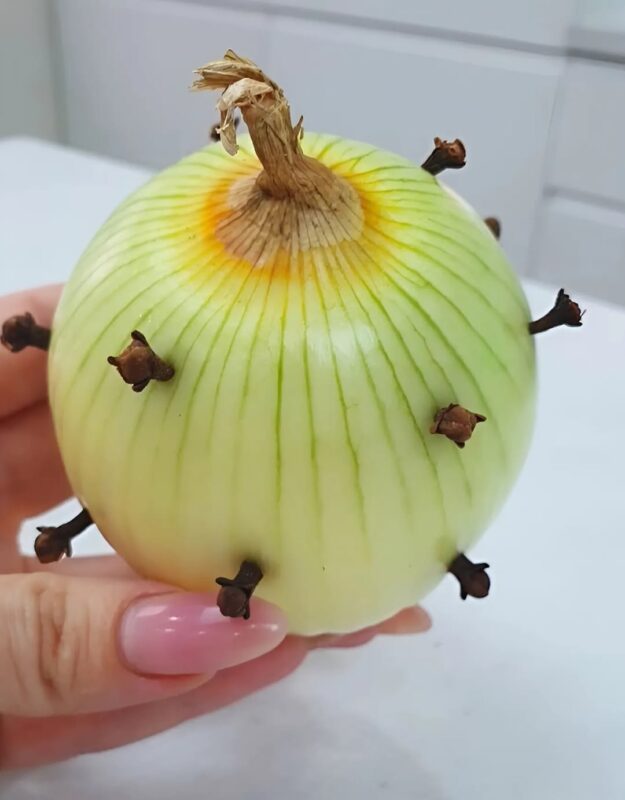
Cloves might not be the most common spice found in everyday cooking, especially outside of their traditional uses, but they hold a certain mystique and remarkable properties when used thoughtfully. This tiny, aromatic spice has a rich history and a depth of flavor that, when harnessed properly, can elevate simple dishes into layers of sophisticated taste. Most people are familiar with cloves as a flavor in baked goods, mulled wine, or certain marinades, yet in the world of fine cuisine—particularly in French culinary traditions—they serve as much more than a mere seasoning. They’re a secret weapon for adding aroma, depth, and an unexpected burst of spice that can completely change the character of a dish.
In France, especially, culinary mastery revolves around the details—every ingredient, every aroma, every technique is carefully considered. French chefs often use cloves in subtle, inventive ways to deepen the flavor of their dishes without overwhelming the palate. Their cuisine appreciates balance—an art of layering flavors that build gradually, revealing themselves with each bite. That’s where the humble clove makes a significant impact, especially during autumn and winter when fresh herbs and vegetables are less abundant.
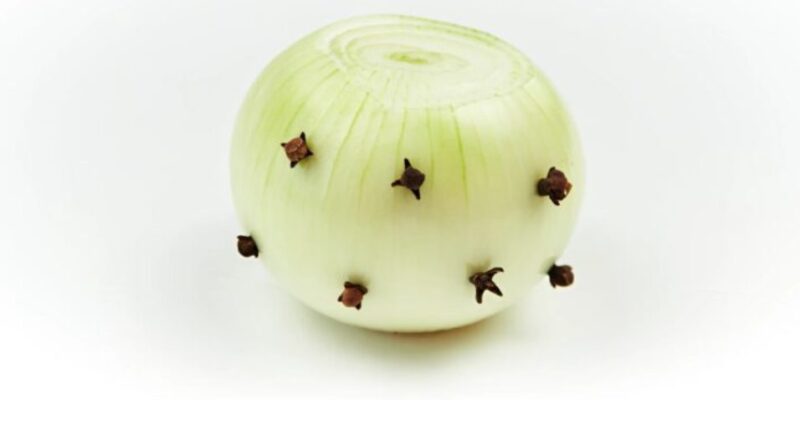
One of the most intriguing and traditional French techniques involving cloves is the “oignon clouté,” which translates quite literally as “clove-studded onion.” It sounds almost like something out of a fairytale—an onion pierced with nails, a curious name that immediately sparks intrigue. It’s a simple idea, but it captures the imagination: take one peeled onion and insert five or six cloves into its surface. The cloves act as tiny, fragrant nails, slowly releasing their spicy, warm aroma into the onion as it cooks.
This unusual process isn’t just about visual novelty. It’s a carefully crafted flavoring technique. The cloves act as natural flavor enhancers, infusing the onion with a subtle spiciness that, in turn, elevates any dish it accompanies. When the onion is added to broth, it lends a warm, aromatic depth—almost like a secret ingredient that ties everything together. Alternatively, it can also be placed in a pan with meats as they sear or roast, or stirred into slow-cooked vegetables, where its gentle spice enhances the overall flavor without overpowering the main ingredients.
Imagine simmering a hearty beef stew in which a couple of these clove-studded onions are inside— as they slowly release their aroma, the rich flavors of the meat mingle with the spicy warmth, creating a layered, almost multi-dimensional taste experience. Or consider adding that onion to a pot of simmering vegetables to bring a delicate, yet undeniably complex, aromatic note. Even when used in a simple roast, the cloves give a subtle sophistication that transforms an ordinary dish into something memorable.
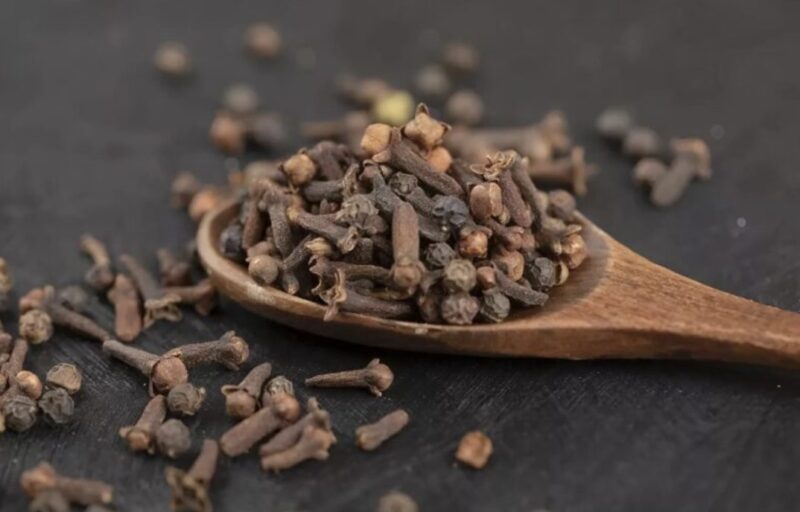
What makes this technique so appealing beyond France is how versatile and easy it is to adopt in your own cooking. You don’t need fancy equipment or hard-to-find ingredients—just a bit of patience and good-quality whole cloves. Whether you’re making a basic soup, a slow-cooked braise, or roasting vegetables, toss that clove-studded onion in, and watch how the flavors evolve.
This technique isn’t just about tradition; it’s also a way of exploring cooking from a slightly different, more nuanced perspective. It encourages cooks to think about flavor as a layered concept—not just adding salt or spice directly, but infusing ingredients with slow, gentle aromatics that develop over time. It’s a reminder that a tiny clove, a small piece of spice, can have an enormous impact on the final result. So the next time you’re preparing a hearty stew or a slow-cooked dish, try adding a clove-studded onion. You’ll likely be surprised at how much it elevates the dish—a little bit of history, a touch of elegance, and a whole new perspective on flavor.